Scope of Special Survey for Wooden Phinisi Operating in Raja Ampat
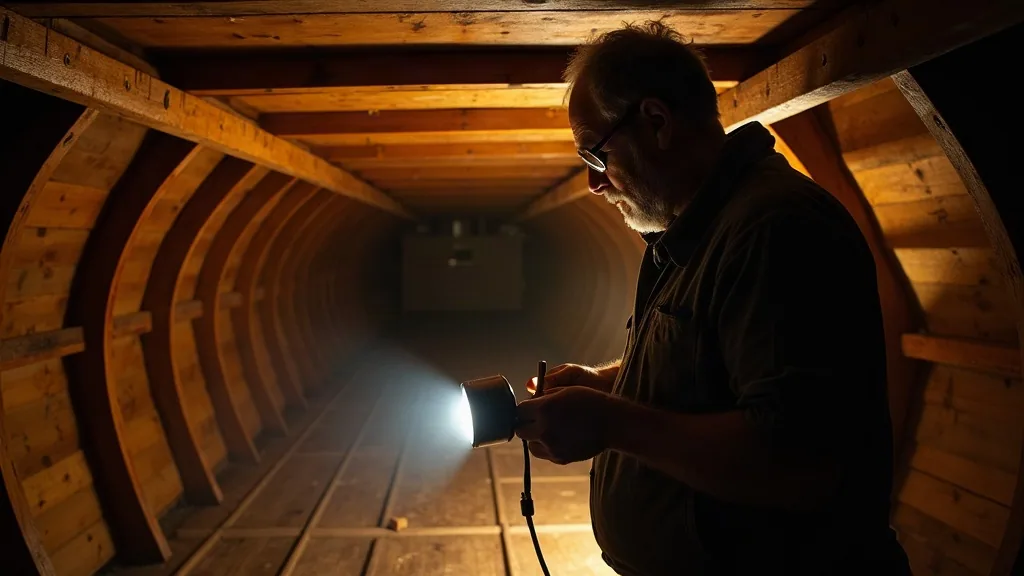
A special survey on a wooden phinisi is not a steel survey with different vocabulary. The
questions are different, the evidence is different, and preparing for it as though it were a steel vessel is why so many
phinisi surveys expand mid-attendance.
What the surveyor is actually trying to establish
On a steel hull the central question is measurable: how much material is left. On a wooden hull it is a judgement about
whether the structure still works as a system — whether the planking, the frames that carry it, the fastenings that hold the two
together and the seams that keep water out are all doing their jobs simultaneously. Any one of them failing quietly undermines
the others.
Because that judgement cannot be reduced to a single reading, it is heavily influenced by what the surveyor can see. A hull
opened up in the right places produces a decision. A hull presented sealed and freshly painted produces suspicion, and
suspicion on a wooden vessel expands scope quickly.
The main areas of examination
Fastenings
Usually the single most consequential item. Iron and bronze fastenings corrode from the inside while the plank surface still
looks sound, and a hull can be structurally tired under excellent paint. Evidence comes from withdrawal sampling in the areas
most likely to fail: garboard, turn of bilge, topside strakes near the waterline, and anywhere showing staining or weeping.
Sample locations should be agreed with the surveyor beforehand and the holes plugged and sealed as part of the work.
Planking
Soft or wasted planks, borer activity where sheathing or coating has failed, splits, previous repairs and any plank that has
been scarfed without adequate fastening through the repair. Percussion sounding and moisture readings guide where to look
closely.
Frames, futtocks and floors
Frame heads and beam ends are where fresh water does its damage — rain and deck leaks rot the top timbers far more often
than seawater rots the bottom. Floors at the keel-plank junction and the fastening pattern through them are examined closely
because that is where the hull’s transverse strength lives.
Keel, stem, sternpost and deadwood
Condition at scarfs and joints, fastening condition, and any movement or weeping that suggests the backbone is working.
Caulking and seams
Condition of the caulking and paying compound, evidence of seams that have been repeatedly hard-caulked to stop leaks
(which stresses the planking and the fastenings), and whether the hull’s moisture condition is being managed sensibly across
docking cycles.
Deck structure and closures
Deck planking and seams, beam ends, carlins, hatch and companionway coamings, mast partners and stanchion bases — the
classic entry points for the fresh water that causes most wooden-hull decay.
Fire, bilge and safety arrangements
Disproportionately important on a passenger-carrying wooden vessel: bilge pumping capacity and independence, fire detection
and firefighting in the engine space and galley, escape arrangements, and the condition and service dates of lifesaving
appliances.
How to prepare so it takes one attendance
- Agree the opening-up scope in writing eight weeks out — which areas, how many fastening samples, which
linings and ceilings come out. - Open up before the surveyor arrives. Ceilings, linings and joinery removed in the agreed areas. This is the
single biggest determinant of whether the survey finishes in one visit. - Take the fastening samples in advance where agreed, so that the discussion is about the evidence rather
than about waiting for it. - Assemble the document pack: previous survey reports and open conditions, repair records with timber
species and source, caulking history, coating records, stability information, crew and safety certification. - Book the surveyor before the slipway. The travel diary binds first — see
survey coordination.
What usually gets found
On phinisi working Raja Ampat, the recurring findings are fastening deterioration in the topside strakes, frame head and
beam end decay under long-standing deck leaks, borer activity where sheathing has failed, and seams repeatedly hard-caulked
rather than properly re-payed. None of those is unusual and none is fatal to a well-built hull. What determines the cost is
whether they are found at a scale that can be repaired within the docking, or whether five years of deferral has turned six
plank repairs into a re-planking programme. Repair scopes are set out on the
wooden boat and phinisi repair page.
Budgeting for the wooden five-year cycle
The pattern that works is the same as for steel but with different content: annual docking items every year, caulking and
coating attention every two to three years, and a heavy special survey year with fastening renewal, planking and structural
work. Funding that fifth year across the four preceding it is what keeps a phinisi earning into its third and fourth decade
rather than being written down. Structure is on the
costs and budgeting page, and a longer view is in
long-term maintenance budget planning for phinisi.
Talk to the repair desk
Send the vessel particulars — length overall, beam, draft, hull material, displacement, current location and the window you have available — and the Raja Ampat Shipyard Desk will come back with a written scope and a quotation in USD for special survey preparation for a wooden phinisi. Quotations name the yard, the slipway or dock, the work sequence and the assumptions behind every line.
WhatsApp: +6281139414563
Email: bd@juaraholding.com
Contracts for construction, repair, refit and vessel-sale work are issued by PT Komodo Galangan Nusantara. All quotations are stated in USD.
Frequently asked questions
What does a phinisi special survey focus on most?
Fastening condition, frames and floors, planking, caulking and the deck structure — assessed together as a system, plus the bilge and firefighting arrangements that matter particularly on a passenger-carrying wooden vessel.
How many fastening samples are needed?
It depends on age, history and construction, and the sampling plan should be agreed with the attending surveyor in advance. Sampling in the areas most likely to fail is more informative than a larger number of samples taken at random.
Should I paint the hull before the survey?
No. Presenting a freshly painted hull produces suspicion rather than confidence, because it conceals exactly what the surveyor needs to see. Coating goes on after the structural findings are settled.
Why do phinisi surveys expand more often than steel surveys?
Because wooden condition is a judgement rather than a measurement. Where evidence is thin, the surveyor widens the scope to build a picture — which is why opening up the agreed areas in advance is the most effective preparation there is.