Marine Spare Parts Sourcing & Logistics — Sorong / Raja Ampat
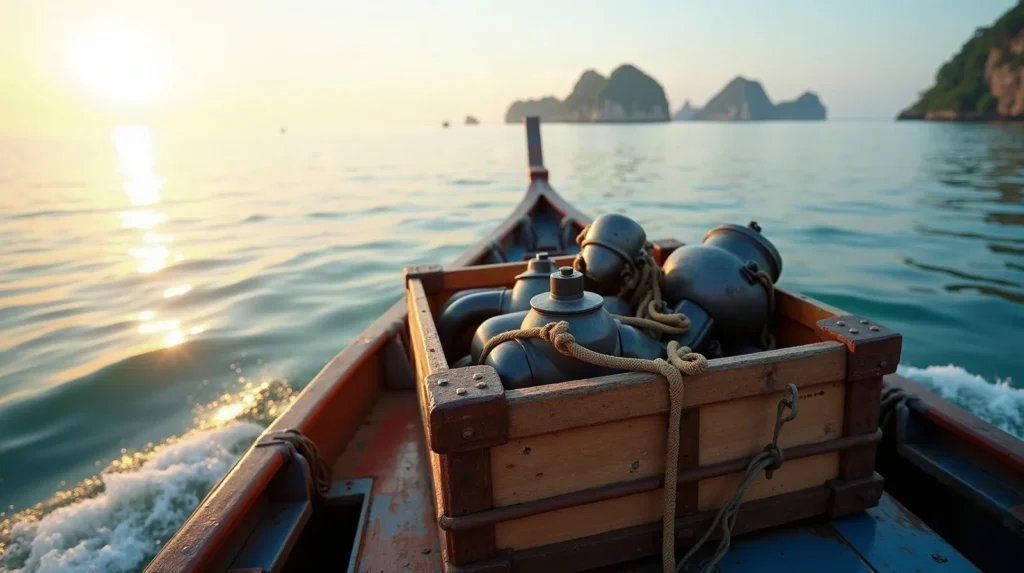
The fastest realistic path for a critical spare to reach a vessel in Raja Ampat is: source it in
Jakarta, Surabaya or Singapore, fly it to Sorong’s DEO airport, clear it, and put it on the next scheduled boat run to your
anchorage. Done well, that chain is measured in days. Done badly — wrong part, wrong paperwork, no last-mile plan — it
is measured in weeks, with a charter schedule bleeding the whole time. Coordinating that chain is what this desk does.
Sourcing: where marine parts actually come from
Sorong has fuel, food and basic hardware; it does not have a marine chandlery ecosystem. Almost everything specific — engine
spares, membranes, seals, electronics, coatings — comes from somewhere else, and knowing which somewhere matters:
| Source | Typical goods | Honest framing |
|---|---|---|
| Jakarta / Surabaya | OEM engine spares (Cummins, Caterpillar, Yanmar, Mitsubishi, Perkins dealers), filtration, batteries, general marine hardware | Usually the best balance of speed and paperwork — domestic freight, no customs |
| Singapore | Specialist and imported items: watermaker membranes, navigation electronics, specific seal kits, exotic alloys | Widest stock, but an international import with the customs process that implies |
| Local fabrication in Sorong | Stainless and mild-steel work, machined pins and bushes, hydraulic hoses, brackets, guards | Often the fastest path of all — a drawing or a sample beats two weeks of freight |
Sourcing starts with identification, and identification is where most delay is born. A data-plate photograph, the serial
number and a picture of the failed part with a tape measure in frame prevent the single most expensive event in this trade: the
wrong part arriving after ten days.
Freight and customs to Sorong
Air freight through DEO airport is the default for anything urgent that fits; sea freight carries the heavy and the
non-urgent — anchors, chain, propellers, drummed coatings. Domestic consignments move on airline schedules and arrive without
customs formality. International shipments are a different discipline: import paperwork for vessel spares has specific
provisions, including for parts destined for vessels in transit, and using them correctly is the difference between a shipment
that clears in days and one that sits. We work with forwarders who run this lane routinely, and we state the position factually
per shipment rather than promising universal magic — customs is a process, not a favour.
For genuinely urgent movements — a vessel disabled with guests booked — we run the chain hot: stock confirmed by phone before
purchase, first flight out, a nominated handler meeting the consignment, and the last-mile boat held ready. That is the
logistics arm of the emergency response desk, and it is priced
honestly as the premium path it is.
The last mile: Sorong to your anchorage
The part being in Sorong is not the part being aboard. The last mile to Waisai, the Dampier Strait or Misool runs on
scheduled ferries, charter speedboats and the daily traffic of a working strait — and it is governed by weather and sea state
in a way no courier tracking page understands. We plan the last mile when the freight is booked, not after it lands: which
boat, which day, who receives it, and whether an engineer travels with the part so the repair happens the same day it arrives.
That final detail — pairing the part with the hands — is the single biggest schedule saver in the whole chain, and it is why
parts logistics and engine repair are run from the same desk.
Fabricate it instead: the Sorong workshop path
A surprising share of “we need to import it” jobs end differently: a stainless exhaust bracket, a machined pin, a bushing, a
made-up hydraulic hose — fabricated locally in days against a sample or a dimensioned sketch. Fabrication is not the answer for
precision engine internals or certified components, and we will say so when it is not; but for structural and general-fit parts
it routinely saves two weeks and a customs file. Send photographs and measurements and the desk will give you both paths priced
side by side in USD.
Pre-positioning: the fleet operator’s edge
Everything above describes reacting well. The stronger position is not reacting at all: fleets on a
preventive maintenance programme agree a season consumption plan —
filters, impellers, belts, membranes, dive-compressor consumables from the
dive systems desk, and the vessel’s known weak points —
and stage it in Sorong before the season opens. The stock sits minutes from the wharf instead of days from the anchorage, and
mid-season failures become same-week repairs. The plan costs a conversation; the alternative costs a charter.
What it costs
Parts are invoiced at cost with the supplier document attached; freight, handling and customs charges are passed through
factually; coordination is charged as agreed per job or under a programme, in USD, with government charges stated in IDR where
that is what they are. No number on this page is invented, and quotations are built per movement — the honest drivers are
weight, urgency, origin and how far up the archipelago the last mile runs, the same logic set out in the
cost guide.
Start a shipment
Send the data-plate photo, part numbers if you have them, the vessel’s position and the date the part stops being useful to
+62 811 3941 4563 or via the contact page. The
desk confirms source, price and the realistic arrival window before you commit — the full sequence is described in
how it works.
Further reading from the field notes
Frequently asked questions
How long does an engine part take to reach Sorong?
It depends on source and mode, and honest answers are ranges: domestic air freight from Jakarta or Surabaya is typically measured in days; international shipments add customs processing; sea freight for heavy items is measured in weeks. We confirm stock by phone before purchase and quote the realistic window per movement, not a slogan.
Can parts be delivered to my boat at anchor in Raja Ampat?
Yes. The last mile from Sorong runs on scheduled ferries, charter speedboats and the strait's daily traffic, planned when the freight is booked rather than after it lands. Where it saves the schedule, an engineer travels with the part so the repair happens the day it arrives.
Who handles customs for imported spares?
We coordinate with forwarders who run this lane routinely. Import provisions for vessel spares — including parts for vessels in transit — are applied factually per shipment, and we state the position plainly rather than promising universal shortcuts. Customs is a process, and running it correctly is what keeps it short.
Can you fabricate a part locally instead of importing it?
Often, yes. Stainless and mild-steel work, machined pins and bushes, brackets and hydraulic hoses can be made in Sorong against a sample or a dimensioned sketch, frequently saving two weeks and a customs file. Precision engine internals and certified components are the honest exceptions — those are imported.