The Raja Ampat & Sorong Shipyard Guide
This is the page to read before you move a vessel for maintenance in West Papua. It covers
what the region can and cannot do, how the geography shapes every plan, when to book, what paperwork is needed and where the
money actually goes. If you only take one thing from it: the fleet is in Raja Ampat, the yards are in Sorong, and every
successful maintenance plan is built around that gap.
1. The geography, and why it decides everything
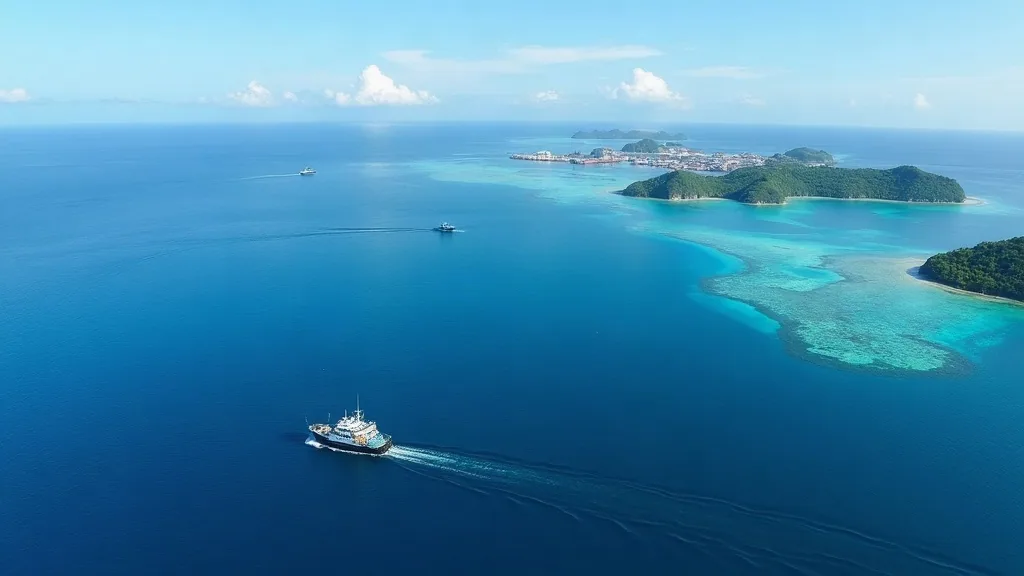
Raja Ampat is roughly 40,000 square kilometres of water with about 1,500 islands in it. The dive and expedition fleet works
the Dampier Strait, Gam, Kri, Mansuar, Kabui Bay, northern Waigeo, Wayag and — a long way south — Misool. Waisai on Waigeo is
the administrative centre and the ferry port. None of these places has a slipway that will lift a commercial liveaboard.
Sorong, on the mainland tip of the Bird’s Head Peninsula, is the region’s port, airport and industrial base. It is where
fuel, freight, workshops, welders and lifting facilities are. From Waisai it is a few hours; from Misool, allow a full day and
plan the weather.
The practical consequence: split your maintenance list in two. Afloat work — engines, generators,
electrical, electronics, compressors, joinery, in-water cleaning and inspection — is done in the islands between charters.
Dry work — plating, caulking, shaft and rudder, antifouling, below-waterline survey — is done in a Sorong
docking window. Getting that split right is most of the difference
between a controlled programme and an expensive one.
2. What the region can realistically do
| Capability | Available locally | Notes |
|---|---|---|
| Slipway / dock for small ships | Yes, in Sorong | Within cradle length, beam and draft limits |
| Steel plating and marine welding | Yes | To written procedure; material sourced regionally |
| Wooden hull and phinisi work | Yes | Timber supply varies by season |
| Blasting and coating | Yes | Weather-dependent; drives docking length |
| Engine and gearbox service | Yes | Parts lead time is the constraint |
| Electrical, electronics, dive systems | Yes | Mostly afloat, teams travel to anchorages |
| Heavy machining, crankshaft grinding | No | Sent to Surabaya or Bali |
| Large-vessel floating dock | No | Larger units go to other Indonesian ports |
Anyone telling you that everything can be done locally is selling a schedule they will not meet. The useful question is not
“can it be done here” but “what does the part of it that cannot be done here do to my programme”.
3. Season and booking
The fleet shares a season, so it shares a maintenance window. Practical lead times are six to eight weeks for a routine
docking, and about three months where a class surveyor has to attend — the surveyor’s diary usually binds before the slipway
does. Rain stops blasting and painting, so a wet-season docking is a longer docking regardless of the programme. Decide early;
a quiet month that suits everyone does not exist here.
4. Documentation
Assemble the pack before the vessel arrives. Registry and tonnage documentation, current class or statutory certificates,
the last survey reports, stability information, crew certification, safety-equipment service records, and port and syahbandar
clearance for the movement. Foreign-flagged vessels add temporary import status, cruising permit and agent coordination.
Chasing a missing certificate while the vessel sits on the cradle is paid for in lay days, and it is the most avoidable cost in
the entire programme. Survey-specific preparation is covered under
survey coordination.
5. The five mistakes that cost the most
- Booking a docking without a scope. The vessel arrives, the yard waits, decisions get made on the cradle,
and lay days accumulate. Agree the work list first, even if part of it is provisional. - Ordering parts on arrival. In West Papua the supply chain is the schedule. Order against a confirmed scope
weeks before the lift. - Overcoating a failing paint system. Saves a few days and costs an entire coating package eighteen months
later. Adhesion-test before deciding — see coatings. - Accepting doublers as a repair. Common in this fleet and increasingly rejected at special survey. Insert
plate once instead of arguing twice. See steel repair. - Deferring the special survey year. Funding a five-year survey out of one season’s revenue forces the
shortcuts that make the following survey more expensive again.
6. Where the money goes
A yard account here has seven components: lift and launch, lay days, labour, materials, logistics, third parties and
contingency. Labour rates in West Papua are generally below Java and Bali, but freight and specialist mobilisation are higher
and daily productivity can be lower. The comparison that matters is total cost of a completed scope, plus your own downtime —
for a working liveaboard, lost charter revenue frequently exceeds the entire yard bill. Full structure, and a checklist for
comparing two quotations honestly, is on the
costs and budgeting page.
7. A workable annual rhythm
- Before the season: compressor and gas quality, safety equipment service dates, machinery service to hours,
critical spares topped up. - Mid-season, at anchorage: electrical and electronics attention, in-water hull inspection and light
cleaning, compressor check — all achievable without leaving the islands. - End of season, in Sorong: haul-out, anodes, running gear, antifouling, structural items, survey where
due. - Every five years: the heavy year — extensive opening-up, thickness measurement, structural renewal.
Budgeted across the preceding four.
Operators who run that rhythm call us for planned work. Operators who do not call us from an anchorage with guests aboard —
which is what the emergency page exists for, and what a
managed maintenance plan is designed to avoid.
8. Start here
If you have a specific question, the FAQ answers most of them directly. If you have a vessel and a
window, send the particulars to the repair desk and you will get a written scope and a USD quotation, or an honest statement that
the work belongs somewhere else.
Talk to the repair desk
Send the vessel particulars — length overall, beam, draft, hull material, displacement, current location and the window you have available — and the Raja Ampat Shipyard Desk will come back with a written scope and a quotation in USD for planning a docking or refit in West Papua. Quotations name the yard, the slipway or dock, the work sequence and the assumptions behind every line.
WhatsApp: +6281139414563
Email: bd@juaraholding.com
Contracts for construction, repair, refit and vessel-sale work are issued by PT Komodo Galangan Nusantara. All quotations are stated in USD.
Frequently asked questions
Do I have to take my vessel to Sorong, or can everything be done in Raja Ampat?
Anything requiring the vessel out of the water has to be done in Sorong. Engines, generators, electrical, electronics, compressors, joinery and in-water inspection can all be done at island anchorages, which is why splitting the work list in two is the foundation of a good plan.
What is the single most common planning mistake here?
Booking a docking without an agreed scope. The vessel arrives, decisions are made on the cradle, parts are ordered late, and lay days accumulate. Agreeing the work list first — even with a provisional section — is the highest-return decision available.
Is West Papua less expensive than Java or Bali for yard work?
Labour rates are generally lower, but freight, parts lead time and specialist mobilisation are higher and daily productivity can be lower. For a vessel already working Raja Ampat, avoiding a long delivery passage and the lost charter days usually decides it rather than the yard rate.
When should I start planning a special survey docking?
A year out for budgeting, three months out for booking. The surveyor’s attendance, not the slipway, is normally the binding constraint, and the opening-up scope needs to be agreed before anyone travels.