Preventive Maintenance Contracts — Raja Ampat & West Papua Fleets
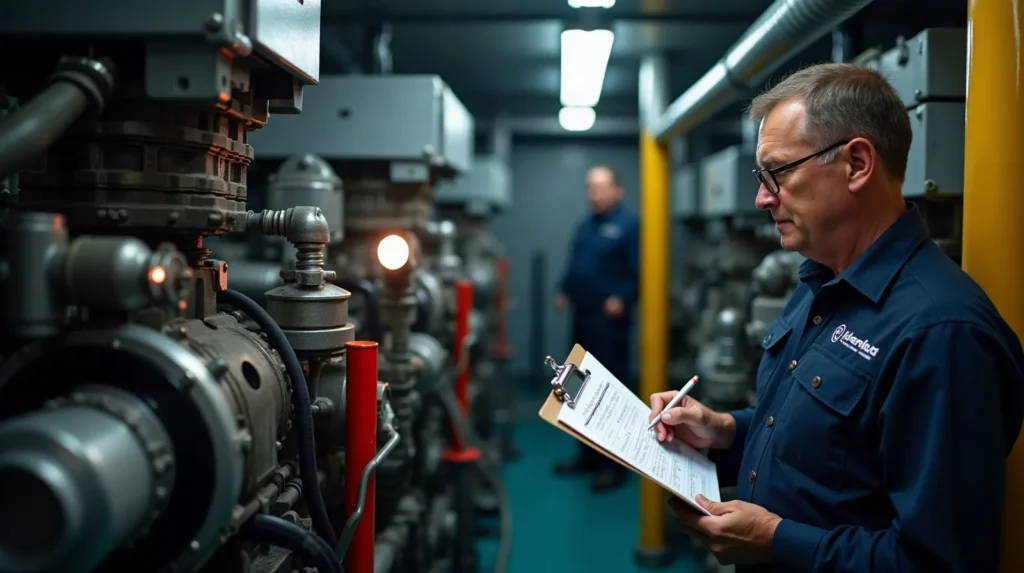
Sixty nautical miles from the nearest workbench, breakdown maintenance is not a strategy — it is a
gamble with guest schedules as the stake. A preventive maintenance programme replaces that gamble with a service calendar:
planned engineer visits around your charter schedule, parts pre-positioned in Sorong before the season, and a documented history
that pays you back at survey and at resale. Programmes are contracted in USD by PT Komodo Galangan Nusantara and built
around each vessel, not sold off a shelf.
Why breakdown economics are different out here
In a home port with a chandlery and three workshops, a failed pump is an invoice. In the Dampier Strait with guests aboard,
the same pump is a mobilisation, an air-freight shipment, a rescheduled itinerary and sometimes a refunded charter. The cost of
the part is unchanged; everything wrapped around it multiplies. That asymmetry is the entire case for planned maintenance in
this region, and it is why the fleets that run reliably here are the ones that service to a calendar rather than to a
breakdown.
The arithmetic is not subtle. One curtailed charter usually costs more than a year of scheduled service visits. We put it
that plainly because the operators who join a programme after a bad season all say the same thing: they knew, and deferred it
anyway.
What a programme covers
Engines and generators
Service intervals tracked by hours and calendar, whichever falls due first; oil, filtration, impellers, coolers, belts and
valve checks done on schedule; oil samples where the engine’s value justifies trend analysis. Faults found early route to the
engine repair and overhaul desk as planned work instead of arriving as
emergencies.
Onboard systems
Watermakers, air-conditioning, refrigeration, hydraulics and pumps — the systems that fail most often and hurt most when they
do. The programme sets cleaning and service cycles tuned to tropical fouling rates rather than temperate-water manuals, with
scope as described under onboard systems repair. Dive fleets add
compressor and nitrox service intervals from the
dive systems page.
Hull, stern gear and coatings cycle
An inspection rhythm for anodes, gland leak rates and bearing clearances between dockings, and a docking cadence planned
years ahead rather than booked in panic — antifouling condition tracked against the calendar so the
haul-out window is reserved before the slot scarcity bites.
Parts pre-positioning
The quiet advantage of a programme: before the season we agree a consumption plan — filters, impellers, belts, membranes,
gas, hoses — and stage it in Sorong through the
spares logistics channel. When something fails mid-season, the part is
four hours away instead of fourteen days.
Scheduling around charters, not against them
Maintenance that conflicts with revenue gets deferred; that is human nature, and a programme has to respect it. Visits are
planned against your published schedule — turnaround days in Waisai or Sorong, lay-days between trips, and the seasonal pause.
The desk holds the vessel’s calendar and proposes windows in advance, so the choice is never “guests or maintenance”. Where a
fault appears mid-trip anyway, programme vessels get priority triage because we already hold the vessel’s history, drawings and
spares list.
The records are half the value
Every visit produces a dated report: work done, parts fitted, measurements taken, photographs, and what to watch before the
next visit. Over a season this becomes the vessel’s maintenance history — and that file has hard value. Surveyors move faster
and probe less speculatively when presented with documented history, as covered on the
survey coordination page; insurers ask for exactly this
evidence after an incident; and at sale, a documented vessel defends her price in a way a verbal assurance never will.
Contract forms and pricing structure
Programmes are issued by PT Komodo Galangan Nusantara and priced in USD. The structure is straightforward: an agreed visit
schedule and scope for the year, a parts plan invoiced at cost with the logistics handled, and call-out terms for faults between
visits. What moves the price is what you would expect — vessel size and complexity, visit frequency, and how remote your
operating pattern keeps her; the drivers are the same ones explained in the
cost guide. There are no invented figures on this page: each
programme is quoted against the actual vessel after a scoping conversation and, usually, a first survey visit.
Maintenance contract or full management?
A maintenance programme keeps the machinery alive; it does not crew the vessel, run her bookings or carry her commercial
operation. Owners who want maintenance folded into crewing, operations and reporting are looking for a managed-vessel arrangement that folds maintenance into crewing, operations and reporting — a different scope handled elsewhere in the group. If you are unsure which you need, say so in the first
message — it is a five-minute conversation, and the honest answer depends mostly on whether you have an operating team already.
Starting a programme
Send the vessel type, age, engine and generator models, your season pattern and your current service records — however thin —
to +62 811 3941 4563 or through the
contact page. We come back with a proposed calendar and a USD quotation, the process running as
described in how it works. The best month to start is the one before you needed to.
Further reading from the field notes
Frequently asked questions
What does an annual maintenance contract include?
A service calendar for engines, generators and onboard systems tracked by hours and date; agreed visit windows planned around your charters; a season parts plan pre-positioned in Sorong; and a dated report after every visit. Faults found between visits get priority triage because we already hold the vessel's history.
Can maintenance visits align with our charter schedule?
That is the design principle. Visits are proposed against your published schedule — turnaround days, lay-days and the seasonal pause — so the choice is never guests or maintenance. The desk holds the vessel's calendar and raises the windows in advance rather than waiting for you to remember.
Do maintenance records really help at survey time?
Yes, measurably. Surveyors move faster and probe less speculatively when handed documented history, insurers ask for exactly this evidence after an incident, and a documented vessel defends her price at sale. The visit reports are written to be that file, not an afterthought to it.
Is a maintenance contract the same as full vessel management?
No. A programme keeps the machinery alive; it does not crew the vessel or run her commercial operation. Owners who want maintenance folded into crewing and operations are looking for a managed-vessel arrangement, which is a different scope — say so in the first message and we will point you correctly.
How is a programme priced?
In USD, per vessel, after a scoping conversation and usually a first survey visit. The drivers are vessel size and complexity, visit frequency and how remote your operating pattern keeps her. Parts are invoiced at cost with documents attached. No standard price list is published because no two vessels cost the same to keep honest.