Fuel System Troubleshooting: Water, Diesel Bug & Blocked Filters
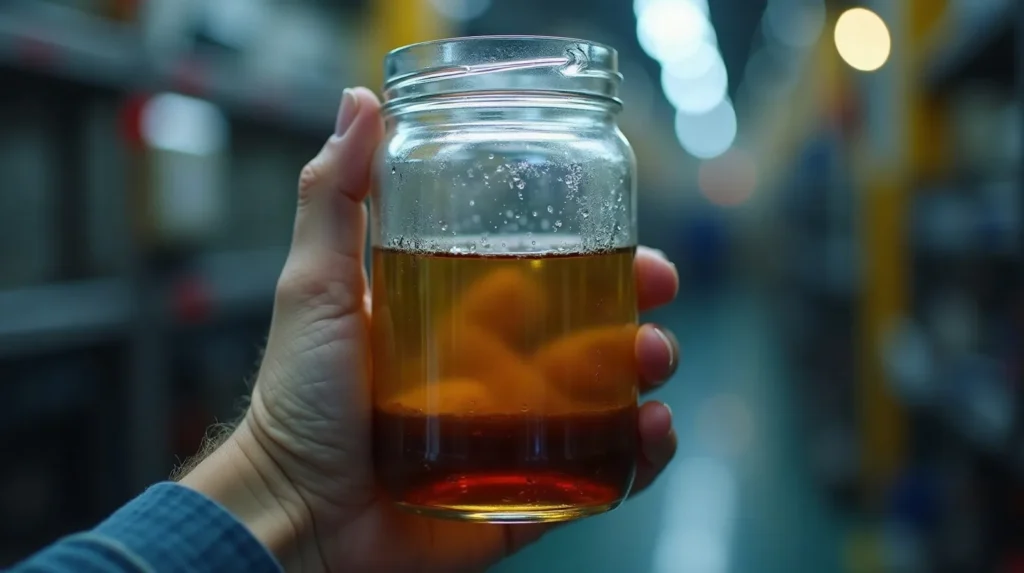
Three enemies live in a boat’s diesel in the tropics — free water, microbial growth, and the sediment both leave behind — and almost every fuel-related breakdown traces to one of them reaching a filter or an injector at the wrong moment. This guide explains how each gets aboard, how to read what you drain from a filter bowl, and the treatment sequence that actually clears a contaminated system rather than just changing filters until the jerry cans run out.
How water gets into the fuel — and why it matters more here
Water arrives three ways: condensation inside part-empty tanks breathing humid tropical air through their vents, contaminated supply taken aboard from drums or barges in remote ports, and the occasional deck-fill cap left imperfectly seated before rain. In a temperate climate a little water sits harmlessly below the pickup; in permanently warm tanks it becomes the foundation for the real problem — biology. Prevention is unglamorous and effective: keep tanks as full as operations allow to shrink the breathing space, drain tank sumps where fitted on a routine, and treat every remote-port fuel source as guilty until a clear-jar sample says otherwise.
Microbial growth: reading the evidence
The organisms loosely called diesel bug live at the fuel–water interface, feeding on the fuel and multiplying into dark, stringy or slimy mats. Warm tanks accelerate the process dramatically, which is why boats operating between Sorong and Misool meet it more often than the same boats did in their previous lives. The filter bowl tells the story: clear water droplets under honest fuel means condensation or wet supply, dealt with by draining and drying; black sludge, dark stringy strands or a rotten-egg smell means an established colony, and a colony means the tank walls and baffles are coated, not just the fuel dirty. That distinction drives everything — polishing fuel through filters without addressing the tank returns the problem in weeks.
The escalation ladder, honestly ordered
- Drain and sample — from every tank sump and the primary filter bowls, into clear jars, photographed. This is the diagnostic baseline.
- Filter discipline — carry primaries in real quantity. During an active contamination event, filters are burned like ammunition, and running out mid-passage is how a nuisance becomes a mayday.
- Biocide treatment — a proper marine diesel biocide at shock dose kills the colony; expect dead growth to slough and load filters heavily for days afterwards. Treat, then plan the filter changes, not the other way round.
- Fuel polishing — recirculating tank contents through fine filtration and water separation. Effective for cleaning fuel; only partly effective for cleaning tanks.
- Tank opening and mechanical cleaning — the definitive answer for a heavily fouled system: access plates lifted, sludge removed, walls wiped, pickups and vents cleared. This is yard-visit work, best bundled into a docking window.
Remote-port bunkering: guilty until sampled
Most contamination events on boats operating east of Sorong trace back to a single bunkering decision. Fuel taken from drums on a beach, from a barge of uncertain turnover, or through a hose that spent the wet season open to the weather deserves a defensive routine: sample into a clear jar before committing to the load, take fuel through a portable filter funnel or transfer filter where quantity allows, dose preventively if the vessel carries biocide, and log where every load came from. The log matters — when trouble appears weeks later, knowing which tank holds which port’s fuel turns a whole-system crisis into a one-tank problem, and it tells you which supplier never to use again.
Protecting the engines while you fight the tanks
During any contamination event, the running priorities are: keep the primary separators drained and watched, carry the spare elements where they can be changed at sea safely, and remember the generator — it usually shares the tanks through smaller, more vulnerable plumbing, as covered in the generator troubleshooting sequence. If an injector or high-pressure pump has already swallowed water — symptoms: hard starting, white smoke, uneven running that filters do not cure — that is component work for the engine repair and overhaul desk, and continuing to run the engine on suspect fuel converts a pump service into a pump replacement.
Stocking up and getting help east of Sorong
Two logistics realities shape fuel-system self-sufficiency here. First, quality biocide and bulk filter elements are not anchorage commodities — they come through Sorong with lead time, so season stock should be planned rather than bought in crisis; the spares shipping guide covers the practical channels. Second, a tank-cleaning session or polishing rig visit is far less costly bundled into a planned maintenance window than mobilised as an emergency. Send the desk your jar photographs and filter history, and the response — treatment plan, filter stock, field visit or docking-bundled tank work — gets scoped in USD before anything moves.
WhatsApp: +6281139414563
Email: bd@juaraholding.com
Repair and coordination contracts are issued by PT Komodo Galangan Nusantara. All quotations are stated in USD.
Frequently asked questions
How do I know if I have diesel bug or just water in the fuel?
Drain a sample into a clear jar. Clean water separates as clear droplets below honest fuel; microbial growth shows as dark stringy strands, slime or black sludge, often with a sour or rotten smell. The two problems have different treatments.
Will biocide alone fix a contaminated tank?
It kills the colony, but the dead material then loads your filters for days, and coated tank walls reseed the problem if left. Established contamination usually needs biocide plus polishing, and heavy cases need mechanical tank cleaning.
How many spare fuel filters should a liveaboard carry?
Enough to change primaries repeatedly during a contamination event without rationing — which in practice means numbers that look excessive on the shelf. Filters are the least expensive component in the entire fuel chain.
Can fuel tanks be cleaned in Sorong?
Yes — access-plate opening, sludge removal and pickup clearing are standard yard-window jobs, and bundling them into a planned docking is far more economical than an emergency mobilisation.