Why Marine AC Dies in the Tropics — and How to Keep It Alive
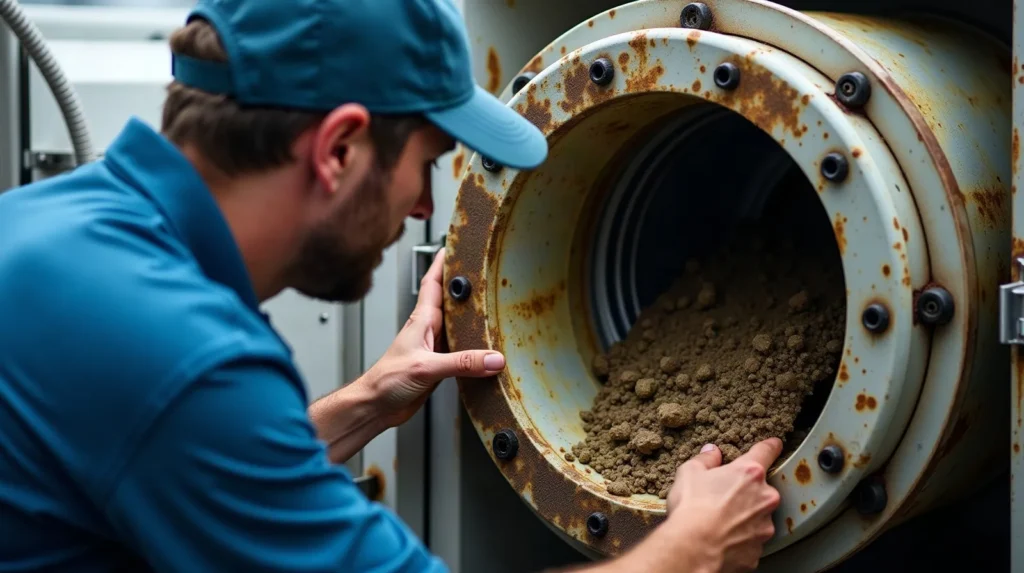
Marine air-conditioning fails in the tropics for one dominant reason: the seawater side of the system fouls, flow drops, and compressors cook themselves against condensers that can no longer reject heat into 30°C water that was marginal to begin with. Understand that single mechanism and most of the classic failures — high-pressure trips, short cycling, dying compressors — stop being mysteries and start being maintenance items with a schedule.
The physics working against you
An air-conditioning plant is a heat pump: it collects heat from the cabins and rejects it into seawater through the condenser. Every design assumption gets harder here. The seawater is already warm, so the temperature difference available for heat rejection is small; the biological growth in these waters is spectacular, so the tubes that must stay clean foul in months; and the equipment runs continuously rather than seasonally, so wear accumulates at double pace. A system that was generous in the Mediterranean is merely adequate in Raja Ampat, and an undersized or fouled one lives on the edge of its high-pressure cutout every afternoon.
The seawater loop: where the battle is won
The condenser cooling circuit — scoop, seacock, strainer, pump, condenser tubes, discharge — is the system’s true weak point, and its maintenance rhythm should be treated like engine oil changes:
- Strainers — checked on a watch rotation, not when performance drops. A strainer half-blocked with weed is already stressing the compressor.
- Pump impellers — warm water shortens impeller life; change by calendar and carry spares in quantity.
- Condenser tubes — barnacle and scale build-up inside the tubes is invisible and decisive. Rising condensing pressure and high-pressure trips on hot afternoons are its signature. Periodic descaling — circulating an appropriate acid solution through the loop — restores capacity and belongs on the annual plan, or sooner where growth is fierce.
- Grilles and scoops — marine growth on the hull opening throttles the whole chain and is the least expensive item on this list to fix, one dive at a time.
Reading the classic failure patterns
High-pressure trips in the afternoon: seawater side fouled or flow-starved — start at the strainer and work aft. Short cycling: often low refrigerant charge from a slow leak at a chafed line or corroded fitting; tropical vibration and salt find every weakness. Ice on the evaporator: airflow starvation — filthy return-air filters, crushed ducting, failed blower — or low charge; switching off and letting it thaw is first aid, finding the airflow fault is the cure. A compressor that hums and trips: start components or a seized compressor; stop resetting the breaker and diagnose, because each restart attempt on a seized unit deepens the damage. Refrigeration plant for galleys and cold rooms follows the same physics with higher stakes in provisions — the same seawater-loop discipline applies, and gas work on either system needs a technician with recovery equipment and the correct refrigerant, which in this region is a planned item rather than an assumption, as the parts channel realities in the spares shipping guide make clear.
Guest expectations: manage the load, not just the machine
On charter vessels the cooling plant carries a second duty: guest experience. The honest operational tricks are worth naming because they cost nothing. Pre-cool cabins in the late morning while generator load is low, rather than asking the plant to pull temperatures down at the day’s hottest hour; keep cabin doors and hatches closed as policy, not suggestion; and brief guests that twenty-something degrees against a 31°C sea is the system working well, not badly. A crew that manages expectations and load together gets years more from the same machinery than one that simply turns the setpoint down and hopes.
Keeping it alive: the tropical maintenance rhythm
The schedule that keeps cooling plant healthy here is stricter than any manual written for temperate waters: strainers by watch, return-air filters weekly, impellers and a full performance check (suction/discharge pressures, temperature split across the evaporator, current draw) quarterly, condenser descaling annually or on the pressure trend, and the refrigerant circuit leak-checked whenever performance drifts. Cooling loads can also be reduced honestly — awnings, closed blinds on the sun side, door discipline — which on a marginal system is worth more than any single repair. For vessels running charter schedules, folding this rhythm into a preventive maintenance contract keeps consumables staged ahead of season instead of chasing them mid-trip.
When to call, and what the desk can do
The onboard-systems repair desk handles AC and refrigeration faults across the Raja Ampat operating area: remote triage from your pressure readings and symptom pattern, field visits for seawater-loop service, descaling, electrical and start-component work, and gas diagnosis with the correct refrigerant and recovery practice where the fault is in the circuit. Compressor replacements and major refits stage through Sorong. Send the model, the symptom pattern by time of day, and photographs of the gauge readings if fitted — the afternoon-trip signature alone usually locates the fault to one side of the system before anyone travels. Dive-boat cold chains that also feed compressor cooling get looked at together with the dive plant, alongside the air-purity disciplines covered separately.
WhatsApp: +6281139414563
Email: bd@juaraholding.com
Systems repair and coordination contracts are issued by PT Komodo Galangan Nusantara. All quotations are stated in USD.
Frequently asked questions
Why does my marine AC trip out only on hot afternoons?
That pattern is the signature of a fouled or flow-starved seawater side: the condenser can no longer reject heat once sea and air temperatures peak. Start at the strainer, then impeller, then tube fouling.
How often should marine AC condensers be descaled in the tropics?
Annually as a baseline, or sooner when the condensing-pressure trend rises. In high-growth waters like these, waiting for failure means the compressor has been running stressed for months.
Is ice on the evaporator a refrigerant problem?
Sometimes — low charge causes it — but airflow starvation from dirty filters, crushed ducting or a failing blower is at least as common. Thaw first, then find which of the two you have.
Can refrigerant be recharged at anchor in Raja Ampat?
Only with the correct refrigerant type and proper equipment, which is a planned field-visit item here, not a dockside assumption. Topping up without fixing the leak buys weeks at best.