Where to Haul Out in Sorong
If your vessel works Raja Ampat and needs to come out of the water, it comes out at Sorong.
There is no alternative inside the regency, and understanding the three ways a hull gets lifted here — and what limits each of
them — is the difference between a docking that runs to plan and one that starts with a vessel being turned away at the
cradle.
Why Sorong and nowhere else
Sorong is the port, the airport and the industrial base for Papua Barat Daya. It has the workshops, the welders, the freight
connections and the lifting gear. Waisai, the administrative centre of Raja Ampat, has a ferry terminal and fuel; the island
anchorages have shelter and water. None of them has a slipway rated for a commercial liveaboard, and it is unlikely that will
change soon — the demand is seasonal and the geology and logistics of building on those islands are unforgiving.
The transit from Waisai is a few hours in reasonable weather. From Misool, allow a day. That transit is a planning item, not
an afterthought, and if your vessel has a fault serious enough to make the passage doubtful, that changes the plan rather than
the schedule.
The three ways a vessel comes out
Marine railway (slipway)
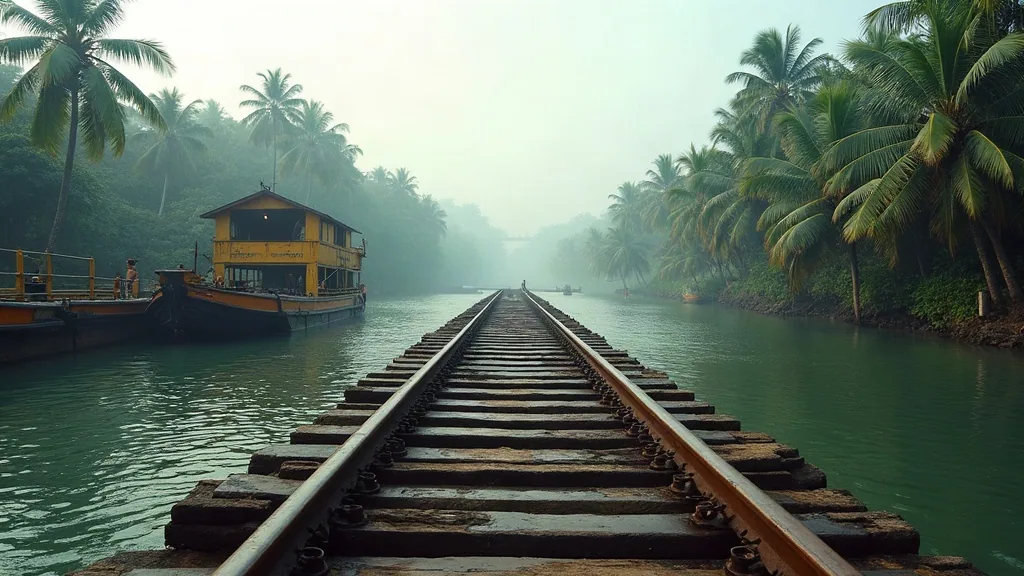
The standard method in eastern Indonesia and the one most Raja Ampat vessels use. A cradle sits on inclined rails running
into the water. The vessel is floated over it near high water, centred, shored with timber against the hull, and then winched
up the rails clear of the tide.
What limits it:
- Cradle length — bearing must be distributed along the keel, so a vessel significantly longer than the
cradle is not a candidate. - Width between shoring — this, not the rail gauge, is the beam constraint.
- Draft over the cradle at high water — deep-draft vessels can only be floated on at particular tides, which
is why booking and tide tables are looked at together. - Displacement — the winch, the rails and the cradle structure all have a rating.
Slipways suit displacement hulls of moderate beam: steel liveaboards, wooden phinisi, workboats and small cargo craft.
Dry dock
Where available, a dock is more forgiving on beam and hull form, gives better access under the vessel and better weather
protection for coating work. It also attracts demand from the commercial and government fleet, so availability — not price — is
usually what decides whether it is an option in your window.
Crane or lift-out
For tenders, dive skiffs, speedboats and light GRP craft within the rating of the available lifting gear. Sling placement
has to be planned against the frames and running gear, so bring a general arrangement drawing or at least a photograph of the
underwater profile. A lift planned in five minutes on the quay is how transducers and shaft brackets get crushed.
What determines whether your vessel fits
Four numbers plus two facts: length overall, maximum beam, maximum draft, displacement, hull material and keel
configuration. Send those before you commit to a transit. It is a two-minute enquiry that prevents a two-day passage to an
answer of “not here”. Multihulls in particular need a specific answer — beam is the binding constraint and moderate-beam
catamarans are handled with careful blocking while wide ones frequently cannot be. Our
haul-out and dry docking page sets out the process in full.
What a haul-out week actually looks like
Day one is arrival, an underwater look before the lift where conditions allow, and the lift itself on the tide. Day two is
high-pressure washing and the real inspection — because the defect list you agreed beforehand is a plan, and what the wash
reveals is the fact. From there, preparation work drives everything: blasting or sanding, opening up, and only then the
structural, machinery and coating work. Launch is set by coating cure, not by when the welders finish.
A routine annual docking for a liveaboard is generally ten days to three weeks. Significant plate renewal, tank work or a
full blast back to bare metal moves that to three to six weeks. If somebody quotes you five days for a full repaint in a
tropical wet season, they are quoting a schedule that the paint will not honour.
Booking, and the season problem
The Raja Ampat fleet shares one dive season, which means it shares one maintenance window. Six to eight weeks of notice is
workable for routine dates; three months is realistic if a class surveyor has to attend, because the surveyor’s travel diary is
usually the binding constraint rather than the cradle. Shoulder-season weeks either side of the season go first, every year,
and the operators who get them are the ones who booked in the previous season.
Two decisions that save the most money
First, bundle the below-waterline work. Shaft withdrawal, cutless bearings, stern-gland renewal, rudder
bearing clearances, sea-valve overhaul, transducer renewal, thickness readings and anodes are all painful or impossible afloat
and trivial while the vessel is already up. Doing them across three separate dockings is three lifts, three sets of lay days and
three trips to Sorong.
Second, settle the scope before the lift. Lay days are charged whether work is happening or not, and the
most common reason nothing is happening is that somebody is still deciding. Cost structure is broken down on the
costs and budgeting page, and the way a whole programme is
sequenced is covered under refit project management.
The honest limits
Local facilities handle small ships. Larger units, deep-draft vessels and very wide multihulls are better routed to other
Indonesian ports, and heavy machining — crankshaft grinding, large propeller reconditioning — leaves the region regardless of
where the hull sits. We would rather tell you that at enquiry than after you have moved the vessel 200 nautical miles to find
out.
Talk to the repair desk
Send the vessel particulars — length overall, beam, draft, hull material, displacement, current location and the window you have available — and the Raja Ampat Shipyard Desk will come back with a written scope and a quotation in USD for haul-out planning in Sorong. Quotations name the yard, the slipway or dock, the work sequence and the assumptions behind every line.
WhatsApp: +6281139414563
Email: bd@juaraholding.com
Contracts for construction, repair, refit and vessel-sale work are issued by PT Komodo Galangan Nusantara. All quotations are stated in USD.
Frequently asked questions
Is there a dry dock at Sorong for liveaboards?
Dock and slipway access exists in the Sorong area within local size limits, and it is the normal route for Raja Ampat liveaboards. Availability rather than capability is usually the constraint, because the commercial and government fleet books the same facilities.
Can I haul out at Waisai instead?
No. Waisai has ferry and fuel infrastructure but no lifting facility for commercial vessels. Everything requiring the hull out of the water goes to Sorong.
How does tide affect a slipway booking?
On a marine railway the vessel must float over the cradle, so draft over the cradle at high water sets which tides are usable. Deep-draft vessels have fewer viable windows, which is why booking and tide tables are looked at together.
How long should I plan for a routine haul-out?
Ten days to three weeks for wash, anodes, minor steel or seam work, running-gear inspection and antifouling. Three to six weeks if there is significant plate renewal, tank work or a full blast back to bare substrate.